
Currency

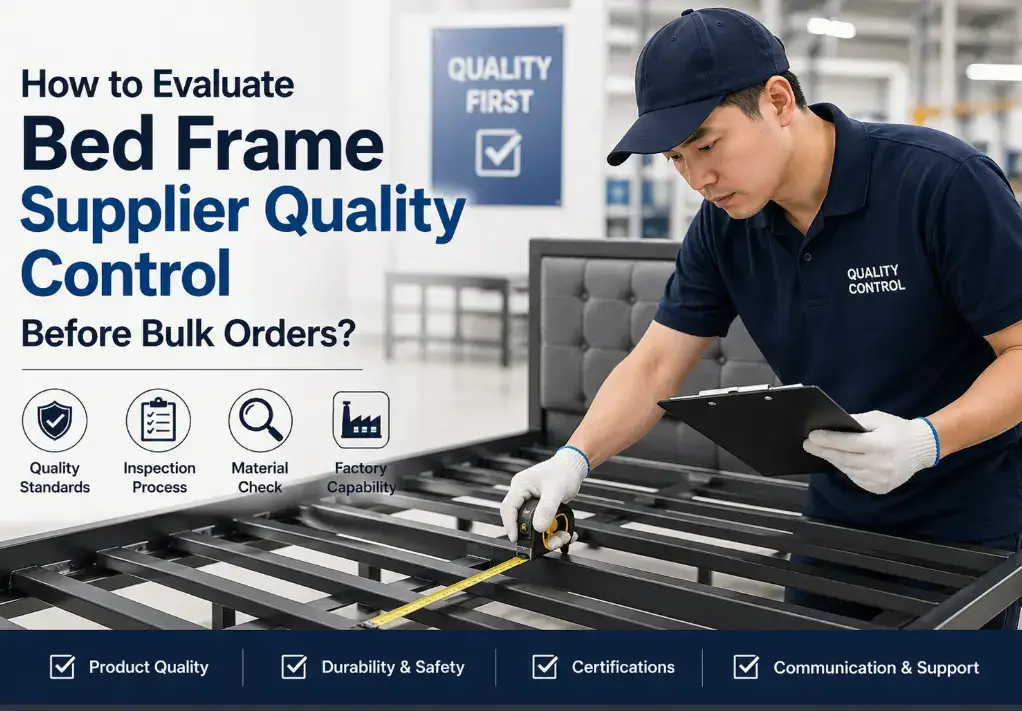
We've been manufacturing mattresses at Leizi for over 15 years, and here's something we've noticed: buyers who focus only on pre-shipment inspections are playing a dangerous game. They're checking the result, not the process.
Last month, a European buyer came to us after three failed container shipments from another factory. The mattresses passed pre-shipment inspection every time. But once they reached the warehouse? Compression failure, uneven foam density, spring coils breaking during decompression. The real problem wasn't the final product—it was a production system that couldn't maintain consistency.
That's why we're writing this. Not as a sales pitch, but as a reality check from the factory floor.
Most buyers treat factory visits like a formality. They walk through the workshop, take a few photos, check some certifications on the wall, and call it done.
We get it. You're busy. Audits feel expensive and time-consuming.
But here's what we've seen happen repeatedly: A factory shows beautiful samples, passes a basic inspection, then delivers substandard goods because their quality system collapses under volume pressure. Or their foam supplier changes. Or their skilled workers quit and get replaced by untrained temps.
Final inspection catches defects. Factory audits catch the systems that create defects.
The question isn't "is this batch good?" It's "can this factory produce good batches consistently for the next 12 months?"
When we host buyer audits at Leizi, we encourage them to dig deep into three core areas:
Production Capacity Reality Check
Don't just ask about capacity—verify it. We show buyers our production planning boards, raw material inventory levels, and machine utilization rates. If a factory claims 5,000 units/month capacity but you see only 3 machines and 10 workers, the math doesn't work.
Calculate backward: How many units can one production line realistically complete per shift? How many shifts do they run?
Quality Control Infrastructure
This isn't about having a QC department. It's about having a functioning system. We maintain testing equipment calibration records, defect tracking logs, and supplier rejection data. These documents tell the real story.
A factory without documented quality procedures will give you inconsistent products. Guaranteed.
Consistency Under Pressure
Ask to see production from different dates. Check if mattresses made last month match ones made this week. We keep samples from every production batch specifically for this reason—it proves our process stability.
After hosting hundreds of buyer audits, here's the checklist we actually recommend (and the one we follow when evaluating our own raw material suppliers):
We've seen "factories" that were actually just trading companies with a rented warehouse. They outsource production to unknown workshops, giving you zero quality control.
This is where mattress quality really begins:
At Leizi, we test every foam batch for density and hardness before it enters production. We reject roughly 3-5% of incoming materials. If a factory doesn't reject materials regularly, they're probably not testing them.
Watch the actual production flow:
We always tell buyers: spend at least 30 minutes just watching one mattress go through the complete production line. You'll spot problems no document can reveal.
Old equipment isn't necessarily bad—poorly maintained equipment is. We run machines from 2015 that still produce tighter tolerances than new machines at factories that skip maintenance.
These are the tests that separate professional mattress factories from generic foam workshops:
If they can't test these parameters in-house, they can't control them in production.
We maintain a digital QC system where every defect is logged, categorized, and traced back to root cause. This data drives our process improvements.
We've seen fake certificates. Always verify directly with the certification body—it takes 10 minutes and can save you from regulatory disasters.
Mattresses are bulky. Packaging failures don't just damage products—they destroy your logistics economics.
High turnover means constantly training new workers. That means inconsistent quality. We track our core team retention rate as a quality metric—our lead operators have been with us for 8+ years.
Ask for real customer references—and actually call them. We encourage our visitors to contact our existing clients because we know what they'll hear.
The Night Shift Reality
We run two shifts at Leizi. Some buyers only visit during day shift when management is present. Ask to see night shift production or review night shift quality records. Quality discipline often drops when managers go home.
Supplier Audit Trail
Your factory audits their suppliers, right? Wrong—most don't. We maintain audit records for our foam suppliers, fabric mills, and spring manufacturers. If your factory can't show you their supplier quality agreements, you're exposed to unknown risks.
Crisis Response Capability
Ask what happened during their last major quality issue or production disruption. How did they handle it? We keep documented case studies of problems we've solved—rejected material batches, equipment breakdowns, specification changes mid-production. How a factory handles problems tells you more than how they handle normal production.
Let's talk numbers based on real scenarios:
Pre-shipment inspection only:
Factory audit + periodic inspections:
We've seen buyers spend $800 on three pre-shipment inspections, then lose $35,000 on a container of mattresses that decompressed unevenly because the factory changed foam suppliers mid-production. A $2,000 factory audit would have caught the supplier change policy gap.
First-Time Importers
You need comprehensive audits—no shortcuts. Consider hiring experienced third-party auditors who specialize in bedding products. The learning curve is steep, and mistakes are expensive.
We always recommend first-time buyers spend a full day at the factory, not just 2-3 hours.
Growing E-commerce Sellers
Focus on consistency and scalability audits. Your volume will grow—can this factory grow with you? Check their capacity planning, quality system documentation, and client retention rate.
Large Retailers/Brands
You need supply chain transparency audits. Document everything, verify certifications independently, establish resident QC programs. At your volume, even 1% defect rates become catastrophic.
We work with several major retailers who maintain quarterly audit schedules and resident inspectors during peak production.
B2B Distributors
Audit for market-specific compliance. Different markets have different regulations. A factory producing for the US market needs different compliance than one serving the EU or Australia.
Here's what we've learned from being audited and conducting our own supplier audits:
The best factories welcome detailed audits. We're proud to show our systems because we know they work. Factories that resist comprehensive audits or restrict access to certain areas are hiding something.
Documentation is everything. We can talk about quality all day, but records prove it. If a factory can't show you testing data, defect trends, and corrective actions from the past 6 months, their quality system exists only on paper.
Relationships matter more than single audits. One audit gives you a snapshot. Regular engagement gives you a partnership. We've built 10+ year relationships with clients who started with thorough audits and continued with transparent communication.
At Leizi, we've structured our entire operation to be audit-ready at any time. Not because we're trying to impress buyers, but because that level of system discipline produces better mattresses. Our quality control processes aren't for show—they're how we actually work.
Want to see how we handle factory audits? We maintain open-door transparency for serious buyers. Schedule a comprehensive facility review where we'll walk through every point on this checklist—and show you the documentation to back it up. Contact our team to arrange your visit.
Email cannot be empty
Password cannot be empty
Email format error
Email cannot be empty
Email already exists
6-20 characters(letters plus numbers only)
The password is inconsistent
Email format error
Email cannot be empty
Email does not exist
6-20 characters(letters plus numbers only)
The password is inconsistent